King David, According to Medieval Knights
Warrior, Shepherd, Penitent, and Type of Christ
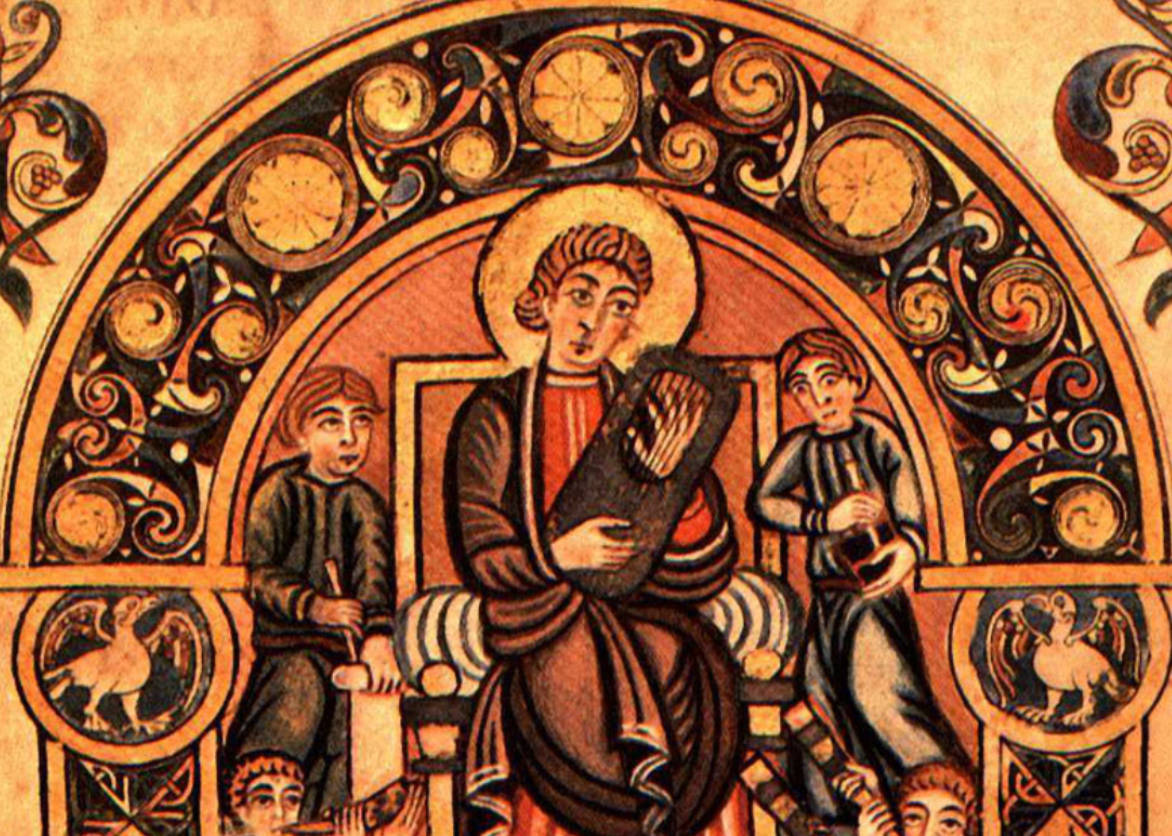
Several years ago, I learned of a medieval concept historians know as the “Nine Worthies.” It is a triad of triads; three men from three different religious dimensions, all pointing to one ultimate reality. There are three pagans (Hector of Troy, Alexander, the Great, Julius Caesar), three Jews (Joshua, King David, Judas Maccabeus), and three Christians (King Arthur, Charlemagne, and Godfrey of Bouillon, the first king of the Crusader Kingdom of Jerusalem). The medieval imagination considered them, individually and collectively, as embodiments of the chivalric ideal.
Since then, I have resolved to give a toast at the Hall of Men to each of these great men of history, and most recently I gave my toast to King David, the son of Jesse, and ancestor of Jesus Christ, the King of Kings. I framed it from the perspective of a medieval knight contemplating these exemplars of chivalry, and I believe that out of all of them, David would have been staring back at this knight as though he were standing before a mirror.
Knights were, first and foremost, warriors, and David was, arguably, Israel’s greatest warrior. He was the only one brave enough to face the giant Goliath. He forged a brotherhood of outcasts into an elite fighting force. They were his Gibborim, his Mighty Men, and they finished what Joshua had started centuries earlier: the eradication of the giant clans from the Promised Land.
But David was more than a warrior. He was the anointed king, and his anointing by Samuel at Bethlehem was the template for every Christian coronation in the medieval world. The knight understood himself to be the Gibborim in a different century; he was the right arm of the “new David.”
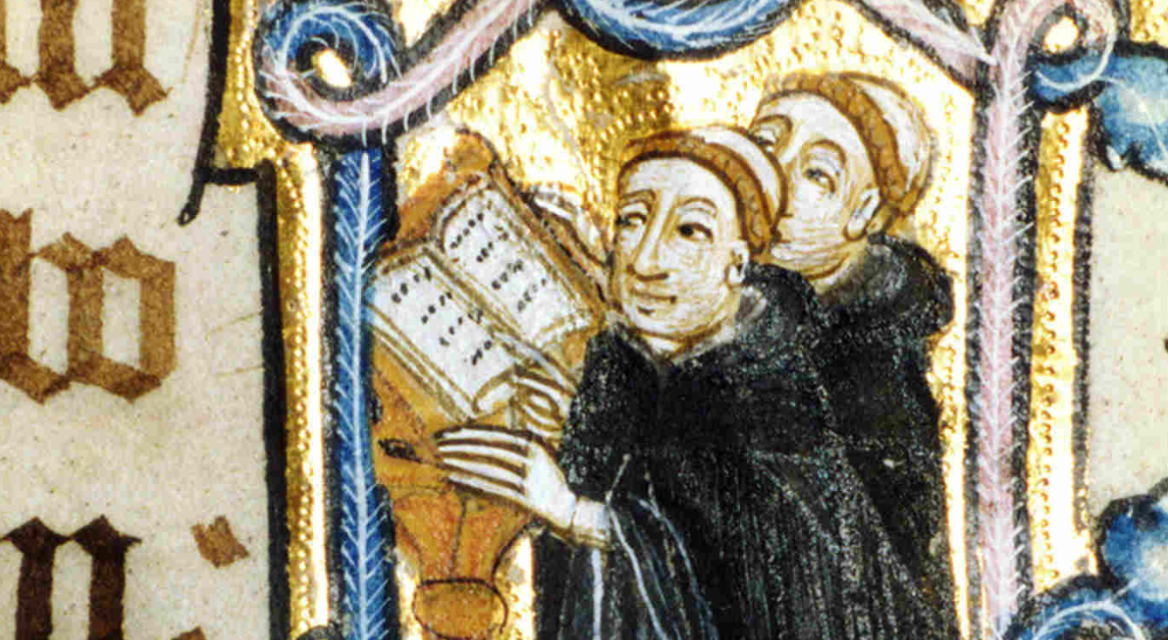
Most of all, David was the prophetic portrait of Christ himself. Both born in Bethlehem. Both shepherds. Both betrayed by close confidants. Christ quotes the Psalms of David most frequently in the Gospels, and David’s genuine repentance, recorded so earnestly and vividly in Psalm 51/50 after his catastrophic fall in the Bathsheba affair, gave the medieval knight his supreme illustration of confession, contrition, and restoration. As he prayed through the Psalter, he did so in David's voice, which was, in the medieval conception, the same as praying in Christ's voice.
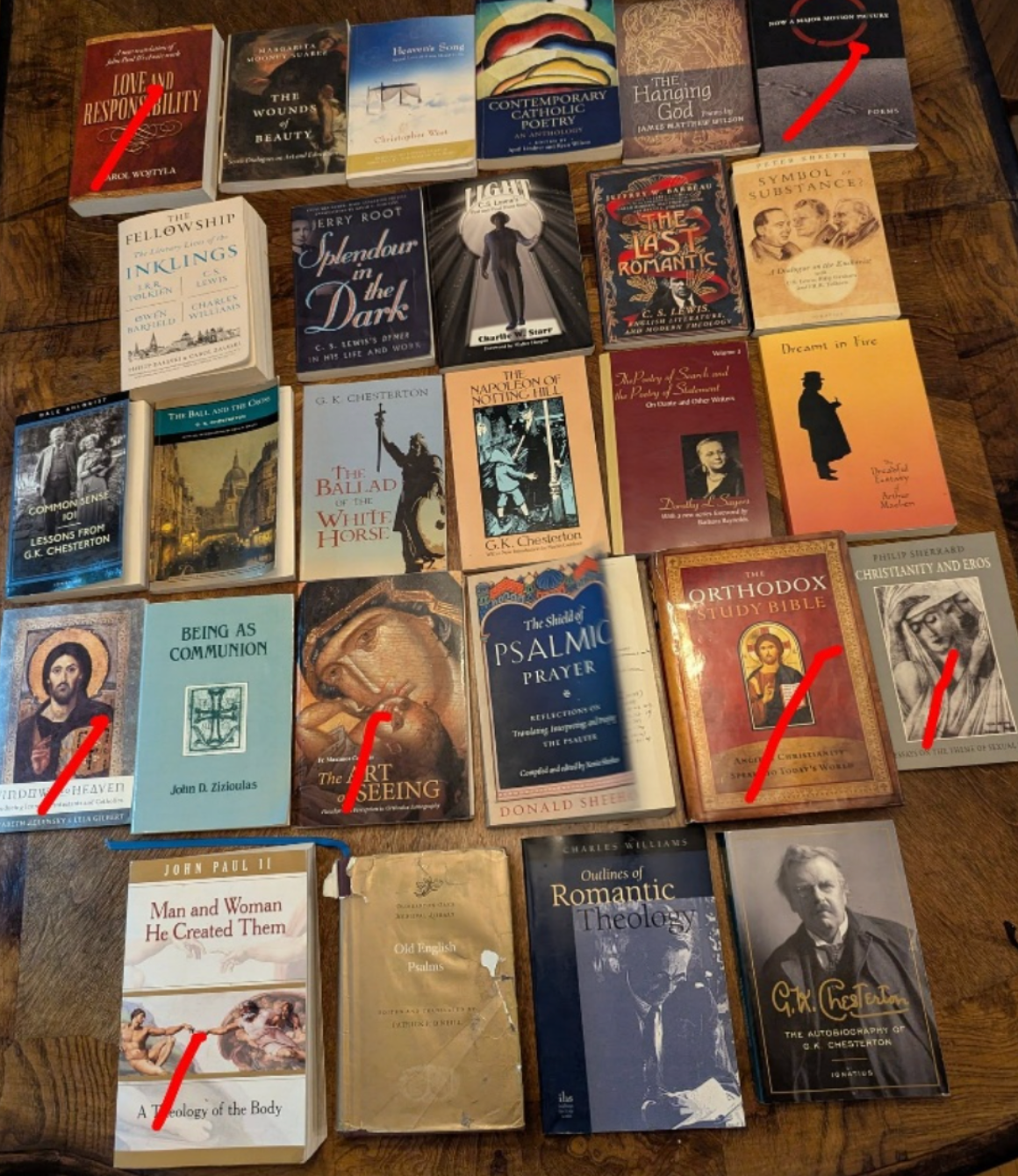
I told the men gathered at The Ladder that, while we are not knights in the medieval sense, we are in service to the same King, The King of Kings. So, I challenged them (and you): memorize the Psalms (at least a few of them!). Pray the Psalms morning, afternoon, evening; upon waking, and when laying down to sleep; in sorrow, and in joy; in victory, and in defeat.
Pray them until the heartbeat of your soul is timed to their rhythm: the rhythm of David, the rhythm of Christ.
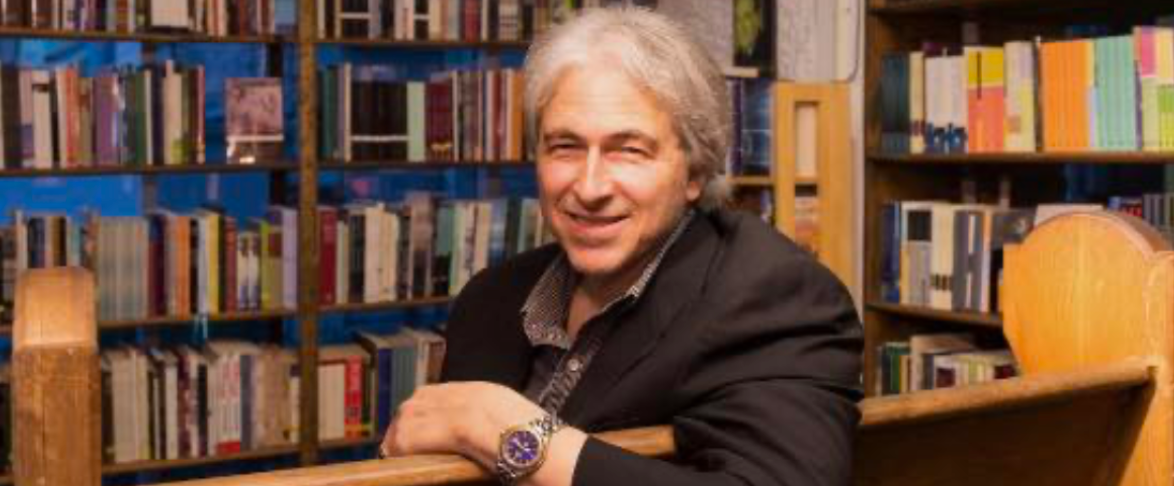
MICHAEL SIMMON is a lay teacher in the Reformed tradition whose interests lie at the intersection of Patristics, liturgical theology, and communal life. His ongoing preoccupation is with how the wisdom of the ancient and undivided Church might be recovered and meaningfully integrated into contemporary Protestant faith and practice. He currently serves as the Secretary of the Eighth Day Institute Board of Directors, and resides in Wichita, Kansas with his wife and four children.
Share this Post on Your Preferred Platform