What Is a Monk?
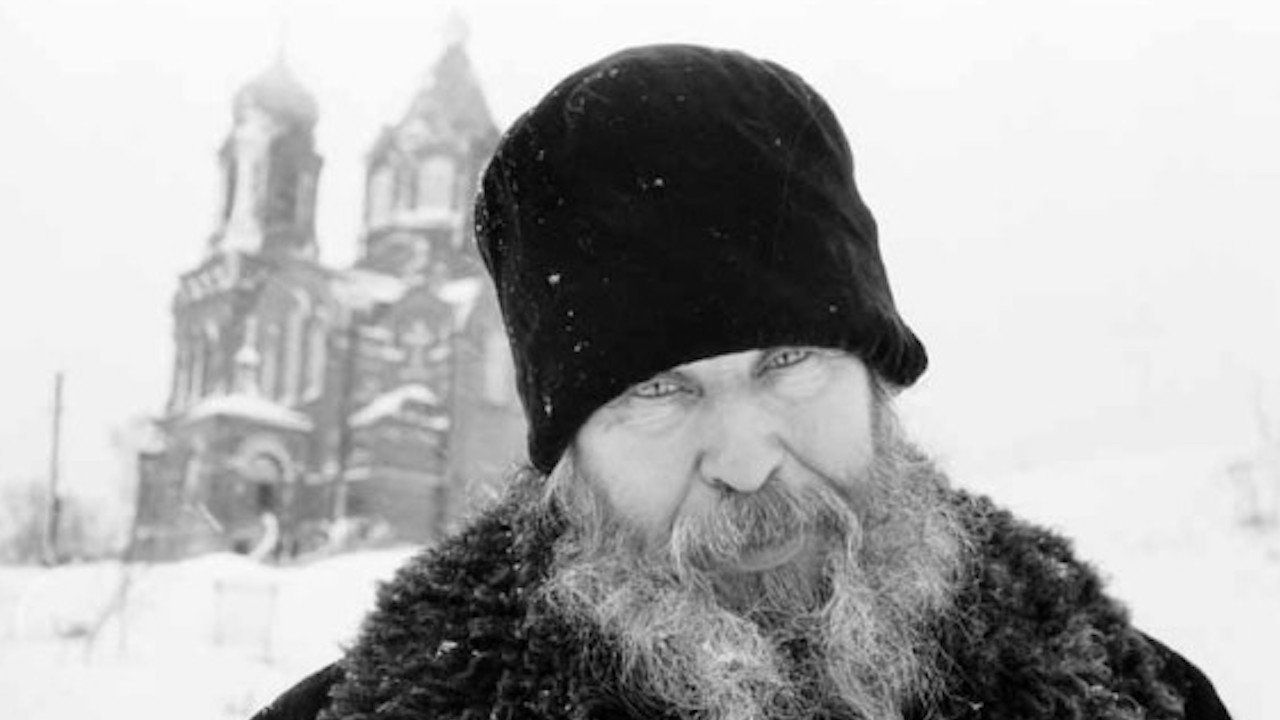
FATHERS and teachers, what is a monk? In some enlightened world of today, this word is now uttered in mockery by some, and by others even as a term of abuse. And it gets worse and worse. True, ah, true, among monks there are many parasites, pleasure seekers, sensualists, and insolent vagabonds. Educated men of the world point this out, saying: “You are idlers, useless members of society, shameless beggars, living on the labor of others.” And yet among monks so many are humble and meek, thirsting for solitude and fervent prayer and peace. People point less often to these monks, and even pass them over in silence, and how surprised they would be if I were to say that from these meek ones, thirsting for solitary prayer, will perhaps come once again the salvation of the Russian land! For truly they are made ready in peace “for the day and the hour, and the month and the year” (cf. Rev. 9:15). Meanwhile, in their solitude they keep the image of Christ fair and undistorted, in the purity of God’s truth, from the time of the ancient fathers, apostles, and martyrs, and when the need arises they will reveal it to the wavering truth of the world. This is a great thought. This star will shine forth from the East (cf. Matt. 2:2).
Thus I think of the monk, and can my thinking be false? Can it be arrogant? Look at the worldly and at the whole world that exalts itself above the people of God: are the image of God and His truth not distorted in it? They have science, and in science only that which is subject to the senses. But the spiritual world, the higher half of man’s being, is altogether rejected, banished with a sort of triumph, even with hatred. The world has proclaimed freedom, especially of late, but what do we see in this freedom of theirs: only slavery and suicide! For the world says: “You have needs, therefore satisfy them, for you have the same rights as the noblest and richest men. Do not be afraid to satisfy them, but even increase them” – this is the current teaching of the world. And in this they see freedom. But what comes of this right to increase one’s needs? For the rich, isolation and spiritual suicide; for the poor, envy and murder, for they have been given rights, but have not yet been shown any way of satisfying their needs. We are assured that the world is becoming more and more united, is being formed into brotherly communion, by the shortening of distances, by the transmitting of thoughts through the air. Alas, do not believe in such a union of people. Taking freedom to mean the increase and prompt satisfaction of needs, they distort their own nature, for they generate many meaningless and foolish desires, habits, and the most absurd fancies in themselves. They live only for mutual envy, for pleasure-seeking and self-display. To have dinners, horses, carriages, rank, and slaves to serve them is now considered such a necessity that for the sake of it, to satisfy it, they will sacrifice life, honor, the love of mankind, and will even kill themselves if they are unable to satisfy it. We see the same thing in those who are not rich, while the poor, so far, simply drown their unsatisfied needs and envy in drink. But soon they will get drunk on blood instead of wine, they are being led to that. I ask you: is such a man free? I knew one “fighter for an idea” who told me himself that when he was deprived of tobacco in prison, he was so tormented by this deprivation that he almost went and betrayed his “idea,” just so that they would give him some tobacco. And such a man says: “I am going to fight for mankind.” Well, how far will such a man get, and what is he good for? Perhaps some quick action, but he will not endure for long. And no wonder that instead of freedom they have fallen into slavery, and instead of serving brotherly love and human unity, they have fallen, on the contrary, into disunity and isolation , as my mysterious visitor and teacher used to tell me in my youth. And therefore the idea of serving mankind, of the brotherhood and oneness of people, is fading more and more in the world, and indeed the idea now even meets with mockery, for how can one drop one’s habits, where will this slave go now that he is so accustomed to satisfying the innumerable needs he himself has invented? He is isolated, and what does he care about the whole? They have succeeded in amassing more and more things, but have less and less joy.
Very different is the monastic way. Obedience, fasting, and prayer are laughed at, yet they alone constitute the way to real and true freedom: I cut away my superfluous and unnecessary needs, through obedience I humble and chasten my vain and proud will, and thereby, with God’s help, attain freedom of spirit, and with that, spiritual rejoicing! Which of the two is more capable of upholding and serving a great idea – the isolated rich man or one who is liberated from the tyranny of things and habits? The monk is reproached for his isolation: “You isolate yourself in order to save your soul behind monastery walls, but you forget the brotherly ministry to mankind.” We shall see, however, who is more zealous in loving his brothers. For it is they who are isolated, not we, but they do not see it. Of old from our midst came leaders of the people, and can they not come now as well? Our own humble and meek ones, fasters and keepers of silence, will arise and go forth for a great deed. The salvation of Russia is from the people. And the Russian monastery has been with the people from time immemorial. If the people are isolated, we, too, are isolated. The people behave as we do, but an unbelieving leader will accomplish nothing in our Russia, even though he be sincere of heart and ingenious of mind. Remember that. The people will confront the atheist and overcome him, and there will be one Orthodox Russia. Watch over the people, therefore, and keep a watch on their hearts. Guide them in peace. Such is your monastic endeavor, for this is a God-bearing people.
~Elder Zosima in Dostoevsky's Brothers Karamazov , Book VI ("The Russian Monk"), Chapter 3 ("From Talks and Homilies of the Elder Zosima")
Anno Domini 2019, November 2
Feast of the Holy Martyrs Acindynus, Pegasius, Aphthonius, Elpidephorus & Anempodistus
Share this Post on Your Preferred Platform