What We Could Call a University
by Wendell Berry
Forefeast of the Nativity of Our Lord & Savior Jesus Christ
Anno Domini 2021, December 23
We humans are part of a life that is possible only because all living things have it somehow in common, and we do not, we probably cannot, understand how it works. We are not superior to it, we cannot in any final sense own or control it, we cannot fully appreciate it, we cannot be grateful enough for it. It is ourselves, not our machines, who must recognize its beauty, its preciousness, and its mystery. If we don’t, we won’t take care of it. We will destroy it.
I could say, I suppose, that a part of my purpose in Life is a Miracle was to try to put science in its place. It offends and frightens me that some people now evidently believe that the long human conversation about life will sooner or later be conducted exclusively by scientists. This offends me because I believe it rests upon a falsehood. It frightens me because I believe that such falsehoods—the falsehoods of radical oversimplification—damage life and threaten to destroy it.
I think, of course, that science has a place, but I don’t think it has a superior place. To start with, I don’t think science is superior to any of its subjects—not to the merest laboratory mouse. I don’t think any art or scholarly discipline is superior to its subject. The human conversation has had moments of light—light, always, is potential in it—and yet it is a conversation conducted mostly in the dark. It is a conversation limited by human limits, a conversation that is or ought to be humble, because it is humbling, full of bewilderment and trouble. It is not going to be ended by anybody’s discovery of some ultimate fact.
Science is not superior to its subjects, nor is it inherently superior to the other disciplines. It becomes markedly inferior when it becomes grandiose in its own estimate of itself. In my opinion, science falsifies itself by seeing itself either as a system for the production of marketable ideas or as a romantic quest for some definitive “truth of the universe.” It would do far better to understand itself as a part of a highly diverse effort of human thought, never to be completed, that might actually have the power to make us kinder to one another and to our world.
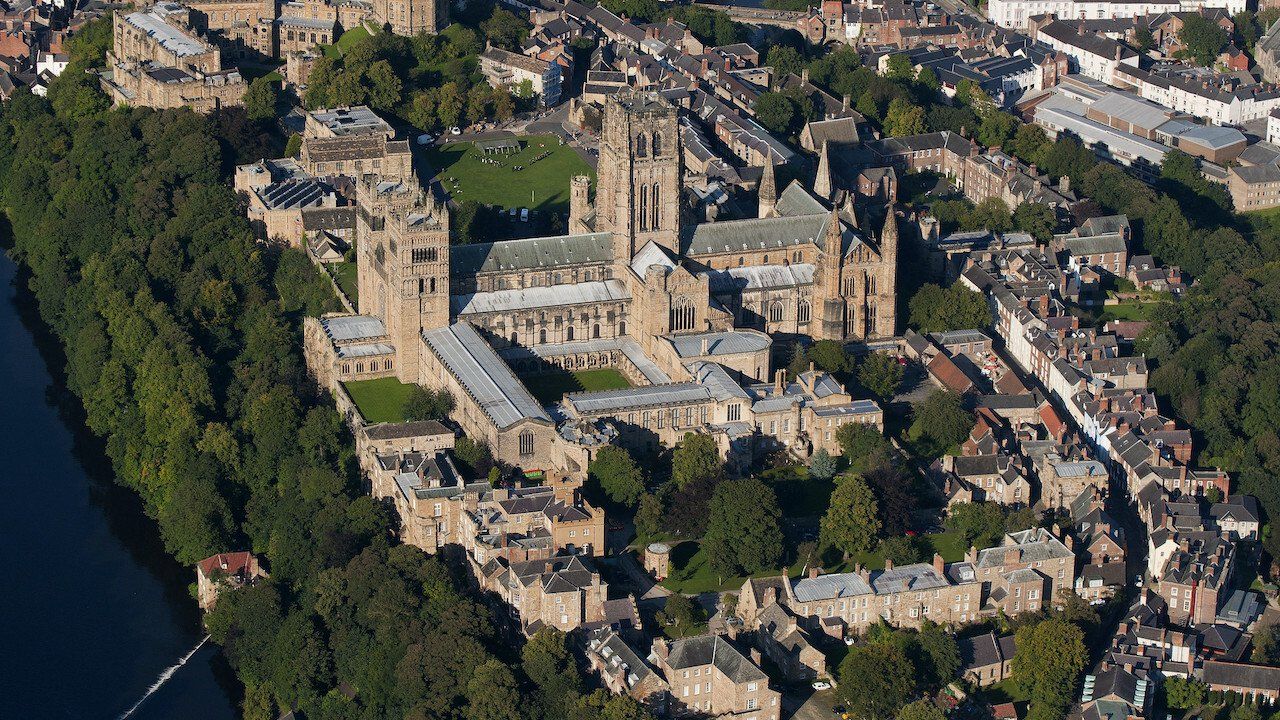
And so I think that science has its proper and necessary place in a conversation with all the other disciplines, all being equal members, with equal time to talk, and no discipline talking ever except to all the others, whatever the market in “jobs” or “intellectual property,” so that our whole humanity, in all its parts and concerns, might speak and be spoken for in the one meeting—which we could call, maybe, if we had it, a university.
Share this Post on Your Preferred Platform